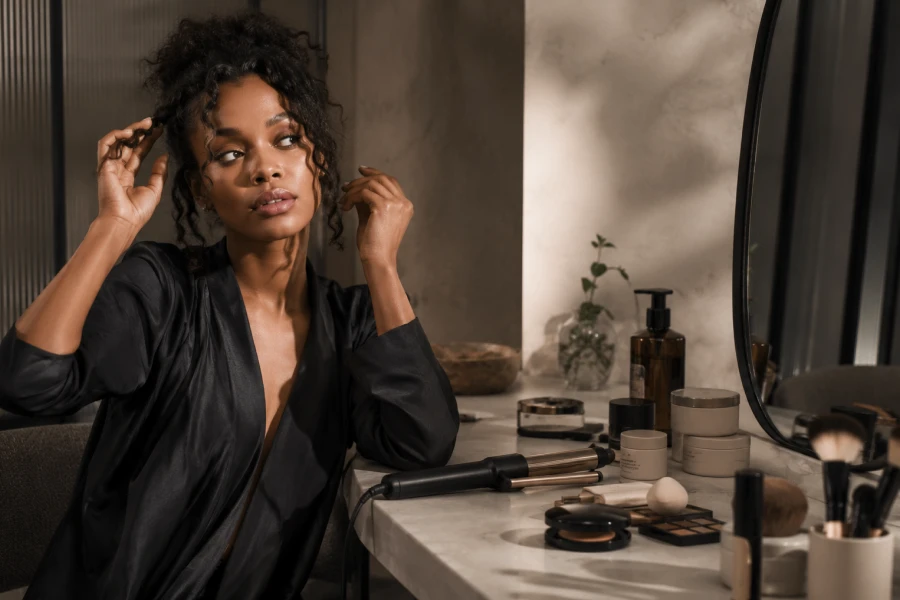
Beauty feels more personal when advice reflects your styling habits and preferences. Personalized makeup and haircare prompts can create that kind of focused conversation. They help you explain your desired finish, time limits, and confidence goals. You might want makeup that wears comfortably through a long day. You may be looking for hair styling ideas that feel polished but uncomplicated. An AI tool can help organize options when your questions are specific. It cannot replace professional services or firsthand testing. Still, it can make research less scattered and more useful. The best results come from honest details rather than a vague request. Thoughtful wording turns beauty questions into clearer choices.
A broad question often produces broad advice. The difference comes from describing what you need the routine to accomplish. Mention your preferred coverage, finish, styling time, and maintenance tolerance. Include the products that already work well for you. Also name the ones you never reach for. These details prevent recommendations from feeling disconnected from your everyday life. They can also highlight patterns you had not noticed before. Use makeup routine ideas to explore looks without treating trends as instructions. Ask for options that fit your comfort level. A routine should support your expression, not make you feel disguised.
Occasion matters when you are choosing makeup or hair ideas. A workday, wedding guest look, weekend trip, and video call require different priorities. Explain the lighting, weather, and time you have available. Mention whether you want a result that feels subtle, expressive, glossy, soft, or structured. Details about your wardrobe can also be helpful. They create a more cohesive styling conversation. A specific scene gives your prompt a natural frame. It helps an answer move beyond generic color or product suggestions. You can then decide whether the idea fits your own taste. Context turns inspiration into something you can actually use.
Many people do not need a completely new collection. They need a better way to use what they own. Ask how a familiar product might serve a different role. Request combinations that work with your preferred textures and finishes. Explore whether one styling product can replace several occasional purchases. A set of haircare question templates can make that research much easier. Keep the request focused on a single decision. This creates clearer suggestions and a more practical test. It also keeps your routine from expanding simply because something is new. Editing is often more satisfying than accumulating.
Experimentation works best when it feels low-pressure. You can ask for one small variation on a look you already enjoy. Consider a different placement technique, texture, or styling sequence. Ask what tools might make the change easier. You do not need to reinvent your entire appearance to discover something fresh. A modest idea can still make getting ready feel more creative. The useful part is the invitation to play with intention. If an approach does not suit you, simply leave it behind. Your preferences are data, not a limitation. Small experiments can reveal the details that make you feel most like yourself.
AI-generated suggestions should remain flexible and open to your judgment. Personal style never comes from following every recommendation exactly. Consider your own comfort, sensitivities, and experience with each product. Test a change slowly, especially around ingredients or styling tools. When you need medical advice or specialized hair care, consult an appropriate professional. Use digital ideas as inspiration and structure. Let real-world wear tell you what lasts, layers well, or feels right. A confident routine includes room for adjustment. You do not have to keep an idea simply because it sounded convincing. Beauty works best when it supports your preferences rather than overrides them.
Keep a short record of questions that produced useful answers. Note the wording that helped you find a better option. Save tailored routine recommendations that matched your real schedule. Return to them when seasons, events, or preferences change. You can revise an old prompt instead of starting from nothing. That makes beauty research feel more efficient and less repetitive. It also creates a record of what you have already learned. The more clearly you describe your needs, the more useful future questions become. Good prompts are not scripts; they are tools for staying curious about your own routine.

Leave a comment